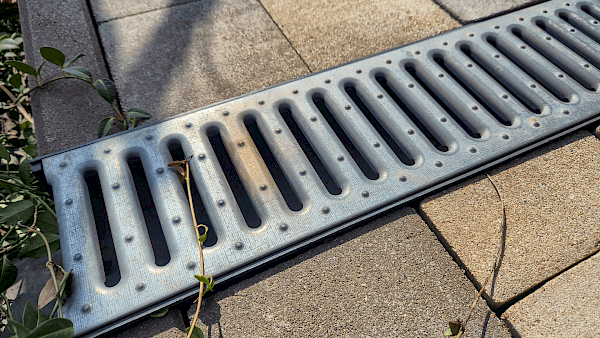
Blocked outside drain: What causes it and what to do
A blocked outside drain can quickly become a messy and unpleasant problem. If left untreated, it can lead to overflowing water, foul smells and even property damage. Understanding the common causes and knowing when to seek professional help can prevent the issue from escalating.
Common signs of a blocked drain
Early warning signs often include slow drainage, pooling water around drain covers, unpleasant odours and gurgling noises from pipes. In more severe cases, water may back up and overflow from the drain during heavy rain or when appliances are in use.
Addressing the issue early reduces the risk of flooding.
What causes outside drains to block?
Outdoor drains are commonly blocked by a build-up of leaves, mud and debris, especially after storms. In kitchens, fats, oils and food waste can solidify in pipes and cause obstructions. Tree roots are another frequent cause, particularly in older properties where pipes may have small cracks.
Poor drainage design or collapsed pipework can also contribute to recurring blockages.
Can you clear it yourself?
Minor blockages near the surface may be cleared using gloves and basic tools to remove visible debris. A drain rod can sometimes help dislodge simple obstructions.
However, deeper blockages or repeated problems usually require specialist equipment such as high-pressure water jetting. Attempting to force stubborn blockages can damage pipework.
When to call a professional
If the drain continues to overflow, if multiple drains are affected, or if sewage is backing up, professional assistance is recommended. Drainage specialists can use cameras to inspect pipes and identify the exact cause of the blockage.
Quick action can prevent more serious structural damage and health risks.
Preventing future blockages
Regularly clearing leaves from drain covers and avoiding pouring grease or food waste down sinks can significantly reduce the risk of blockages. Installing drain guards may also help prevent debris entering the system.
Persistent drainage issues may indicate underlying pipe damage that requires repair rather than repeated clearing.